
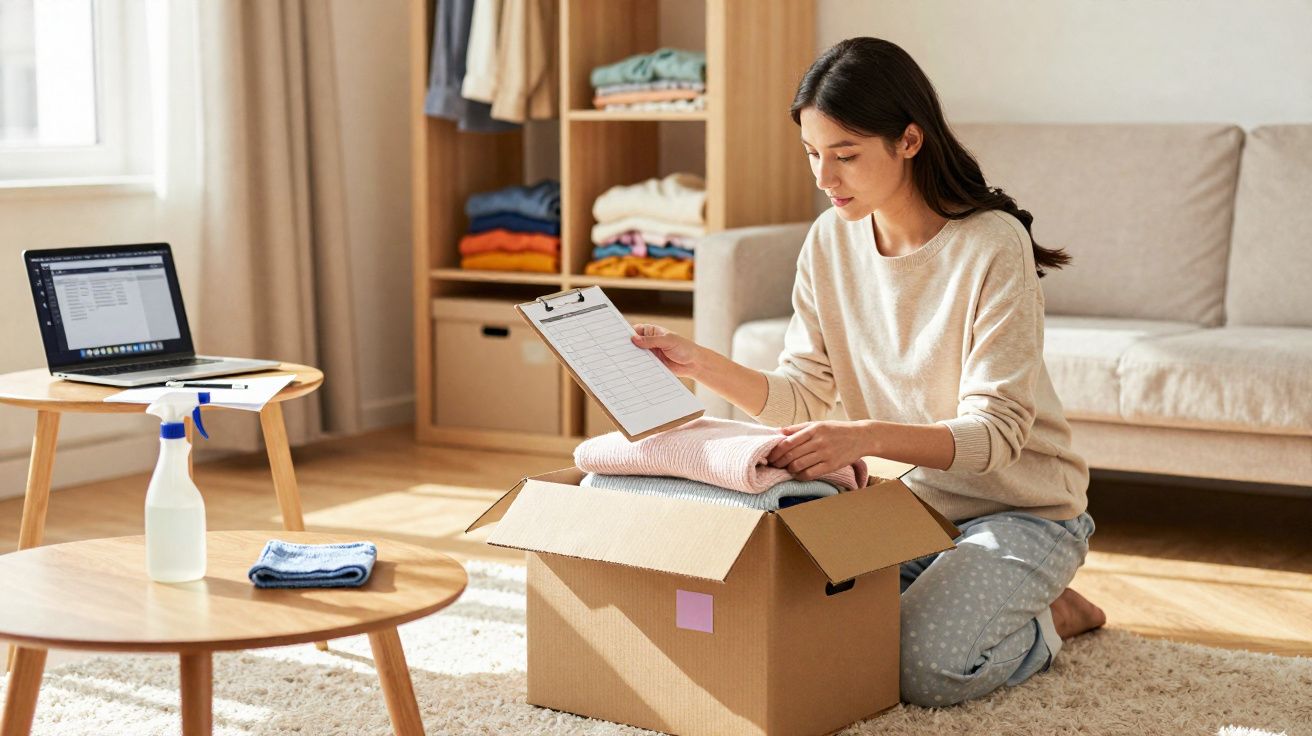
When the days grow longer and the sun shines on everything that has built up over winter, it is easy to feel overwhelmed. Instead of grabbing everything at random and giving up in frustration after two hours, a simple, well-organised method helps far more. An organising consultant has developed a process that keeps motivation high, saves time and visibly calms each room.
Plan before the chaos: how to begin properly
Before you lift a cloth or pick up a box, start with a clear head. Walk through every corner of your home and ask yourself: what would I change if I had to let these rooms out today? That question sharpens your eye for the areas that genuinely need attention.
Make a list and prioritise the tasks
Write down the rooms and individual zones, then rank them by impact. Intentionally begin with easy wins rather than sentimental items. Photo albums, inherited porcelain or boxes full of holiday souvenirs can drain energy and take ages to sort through. Deal with the straightforward things first, then move on to the rest.
Never start with emotional items. Take the lighter burden first so your energy stays up until the end.
- Bathroom: check medicines and cosmetics for expiry dates
- Pantry: throw away old sauces, leftover flour and opened packets
- Hallway: sort out broken umbrellas, stretched-out hats and single socks
- Kitchen: reduce duplicate utensils such as three spatulas
Set a realistic time block for each task. Give yourself two hours for the living room cupboard and 30 minutes for the home medicine cabinet. If everything does not get finished within the planned window, that is no disaster - mark the remainder and continue once you have time again.
It also helps to prepare a temporary sorting area before you start. A clear table, the edge of a bed or even a fold-out box station can stop piles from spreading across the flat. If you can work near natural daylight and with a window open, you will see dust and clutter more clearly and feel less boxed in while you sort.
Before you begin, check the opening hours of the household waste recycling centre, electrical waste collection points and charity shops. Knowing exactly when you can drop things off keeps you moving and stops boxes from sitting in the hallway for weeks.
| Time | Action |
|---|---|
| 09:00–09:15 | quick walk-through, set goals, take before photos |
| 09:15–10:00 | bathroom: remove expired items, clear surfaces for cleaning |
| 10:00–11:30 | check supplies, wipe packaging, organise by category |
| 11:30–12:00 | trip to donation point / household waste recycling centre |
| 13:00–15:00 | sort wardrobe categories (more below) |
| 15:00–15:15 | after photos, short reset, vacuum |
Have your tools ready: what to lay out first
Dress comfortably and choose clothing that can cope with a bit of hard work. Put three containers beside you: rubbish, donate/sell and keep. Add a vacuum cleaner, an all-purpose cleaner and microfibre cloths. Put your phone on silent and play music or a podcast - concentration beats multitasking.
Before-and-after photos are hugely motivating. You can see what you have achieved, not only what is still left to do.
Safety comes first: keep rooms well ventilated while you clean. Never mix cleaning products. Bleach combined with vinegar or ammonia releases harmful fumes. Wear gloves and air the room regularly. And do not lift anything heavy with a rounded back - keep the item close to your body, use your legs and take breaks.
The wardrobe and more: sorting clothes the smart way
The biggest mistake is tipping everything onto the bed all at once. A better approach is to work category by category. Start with underwear, then T-shirts, then jeans. When you are holding one type of item at a time, it is much easier to make a clear decision.
What stays, what goes
- Keep: pieces you love and genuinely wear
- Check the question: not worn for two or three years - why not?
- Use the insight: too tight? Duplicates? Uncomfortable? Then let it go
- Unsure? Place it in a “review later” bag outside the wardrobe
A limit that truly helps
Work with fixed boundaries. Only ten hangers? Then keep ten shirts. A maximum of five pairs of jeans? Keep the favourites and let the rest go. That way, a wardrobe you actually use emerges almost automatically.
Boxes do not create order - the number of things does.
How to keep things tidy for good
Tidiness lasts longer when it looks attractive. Sort clothing by colour and use simple boxes you like. What the eye enjoys is less likely to be undone again.
Labels are a real shortcut. Stick labels on boxes and baskets - “chargers”, “batteries”, “rain gear”. Your brain will then reach for the right place automatically instead of dropping things anywhere.
Just as important: tell housemates or family members where the new homes are. A quick tour and two Post-its in key places are enough for everyone to return items where they belong.
- One in, one out: when something new comes in, something old goes out
- 10-minute evening reset for surfaces and hot spots
- Keep a permanent donation box in the hallway
- Set a fixed weekly slot for glass, paper and electrical waste
Practical examples and small helpers
Bathroom: use clear boxes for razors, travel-size products and dental care. One box per person and one for guests - done. Pantry: group items by category, such as baking, tins and breakfast. Decant opened packets into jars with a date label and protect crumb-prone areas with a drawer mat.
Kitchen: combine duplicate gadgets and pass on the poorer one. Store rarely used items up high and keep everyday essentials within easy reach. Hallway: a bowl for keys, hooks for headphones and a basket for parcel notes save minutes every morning.
What many people forget - and why it is worth it
People with allergies breathe more easily when dust traps disappear in spring. Replace the vacuum filter, wash covers at 60 degrees and wipe skirting boards with a damp cloth. For window cleaning, lukewarm water with a little washing-up liquid is enough; a microfibre cloth for drying does the job, so newspaper is unnecessary.
Broken electrical appliances belong in electrical waste collection. Clothing in good condition can be donated or sold online. Anyone who has a clear plan for where things will be taken actually finishes the project instead of moving boxes around for months.
A small extra for digital and paper
If you still have 30 minutes left, clear out digital inboxes, unsubscribe from newsletters and delete five old files. Divide paper piles into three trays: to deal with, to file and to throw away. One folder per topic - rent, insurance, car - works wonders.
With this process, you will get visible results quickly. Start with the easy things, set boundaries, make items look neat and clearly labelled, and tell everyone you live with what has changed. That way, the new order will last not just until tomorrow, but well into the summer.
Comments
No comments yet. Be the first to comment!
Leave a Comment