
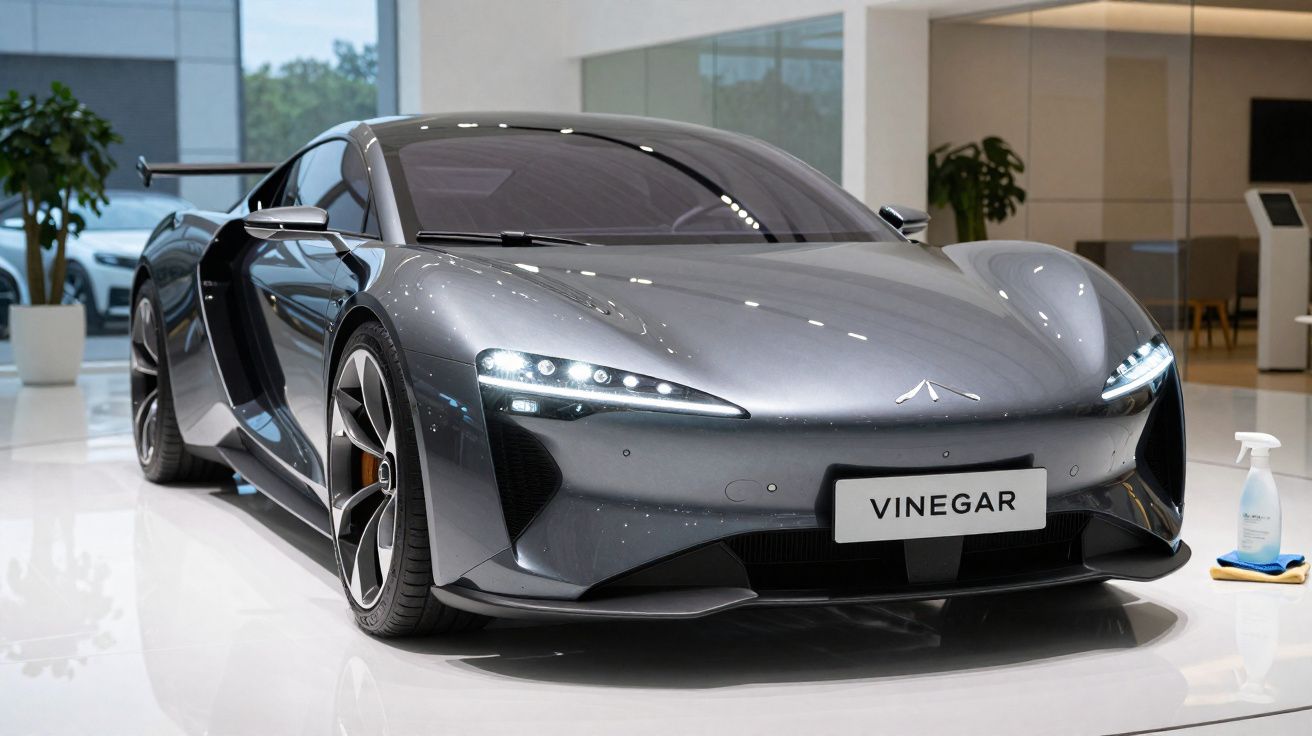
Anyone who drives after dark notices it quickly: the headlights no longer throw out the brightness they once did. Instead of looking clear and transparent, they seem cloudy, yellowed and covered in tiny scratches. A garage visit, a polishing kit or a specialist cleaner all sound like time-consuming, expensive options. Yet there is a discreet helper in the kitchen cupboard that can work surprisingly well in many homes.
Why modern headlight lenses yellow so quickly
Older cars often used glass headlamps, whereas modern vehicles usually rely on plastic, more precisely polycarbonate. That material is light and shatter-resistant, but it is also much more vulnerable.
- UV radiation attacks the surface and gradually causes yellowing.
- Road salt, insects and dirt leave stubborn deposits behind.
- Micro-scratches from car washes and incorrect cleaning roughen the lens.
The result is that light refracts on the dulled surface. The beam becomes shorter, more scattered and, in some cases, even more dazzling to other road users. Many drivers barely notice the change as it develops - until the first unsettling moment on a dark country road.
Clear headlights are not just about appearance; they are about safety for you and everyone else on the road.
The kitchen miracle cure: plain household vinegar for car headlights
The good news is that the typical layer of grime and light greying can often be tackled with something found in almost every kitchen: vinegar, specifically clear household vinegar, usually based on acetic acid.
Vinegar can help to remove:
- limescale and water marks
- insect remains
- greasy smears and road dirt
- light oxidation on the surface
In many cases, this kitchen staple replaces expensive products from the car-accessories shelf and can deliver a surprisingly visible improvement within just a few minutes.
How to clean headlights with vinegar: step-by-step instructions
1. Prepare the car first
Park the car in the shade so that the paintwork and plastic are not hot. That helps prevent staining and is gentler on the materials.
- Rinse the headlights with water to remove loose dirt.
- Dry the area around the lamps with a cloth.
- Optional: use masking tape to protect the paint around the headlights and avoid drips.
2. Prepare the vinegar correctly
Use ordinary clear household vinegar, or diluted vinegar essence if you have a stronger product, and thin it slightly with water if needed. Temperature matters too.
- Pour a little white vinegar into a heat-safe bowl.
- Warm it gently in a water bath or, with care, in a microwave.
- It should be lukewarm - clearly warm, but never hot.
Lukewarm vinegar works better: the warmth helps lift dirt and residue without stressing the plastic.
3. Apply it and let it work
Now it is time for the actual cleaning.
- Use a soft microfibre cloth or a spray bottle.
- Apply the vinegar to the cloth, or carefully spray it directly onto the headlight.
- Wet the surface evenly, but do not soak it to the point that it runs.
- Leave it for a few minutes so deposits can loosen.
You do not need to do anything during that period, but it is worth making sure the vinegar does not run in streams over the paintwork.
4. Gently finish the job and rinse thoroughly
After the soaking time, the most important stage follows: wiping it clean.
- Wipe the headlight in circular motions with a clean, slightly damp microfibre cloth.
- Deal with heavily soiled spots a little more carefully, but do not scrub too hard.
- Then rinse well with plenty of clean water.
- Dry with a dry cloth without pressing down, to avoid streaks.
Many motorists say that after just one pass the headlight looks much clearer and the car seems a few years younger.
Important warnings: how to protect paintwork and plastic
As useful as vinegar is for cleaning, it is still an acidic product. If you work carelessly, you can leave dull patches on the paint.
- Never leave vinegar sitting on the car’s paintwork for long.
- Wipe away drips and runs straight away with a damp cloth.
- Use only lukewarm vinegar, never boiling liquid.
- Do not use rough sponges or abrasive cleaners - they will scratch the plastic.
If you want to be especially cautious, mask the area around the headlights with masking tape. It takes two minutes and can save you from unwanted dull patches in the clear coat.
A small extra precaution that helps
If your car has a factory-applied coating or protective film, it is wise to check the owner’s handbook before cleaning. Some manufacturers recommend specific care products for polycarbonate lenses. A quick check beforehand can prevent unnecessary damage and may help the result last a little longer.
When vinegar is no longer enough - and what to do next
Vinegar can clean, but it cannot turn an old headlamp into a brand-new one. If the headlights are badly yellowed or deeply scratched, this kitchen helper reaches its limits.
| Problem | Is vinegar suitable? | Possible alternative |
|---|---|---|
| Light haze, dirt, water marks | Yes, very well | Regular cleaning every few months |
| Noticeable yellowing, matt surface | Partly | Headlight polishing kit from the motor accessory shop |
| Deep scratches, cracks, stone chips | No | Headlight replacement at a garage |
Special polishing kits usually contain abrasive papers in different grits, polishing compound and UV protection. They can restore many headlights very effectively, but they do require more time and care.
Better safety with clear headlights
Clean, clear headlights do more than improve the car’s appearance. Safety improves too, and often noticeably. Tests show that yellowed plastic headlights shorten the beam significantly. Potholes, pedestrians or wildlife at the roadside appear later in the driver’s field of vision.
Regular cleaning helps prevent that effect and can save money as well: at an MOT test or another vehicle inspection, heavily dull headlights may count as a defect. In the worst case, the car will not pass until the issue has been fixed.
Practical tips for everyday care
If you want the effect to last as long as possible, a little maintenance routine is worthwhile:
- Wipe the headlights with a soft cloth whenever you wash the car.
- Do not let heavy insect residue dry on for days in summer.
- After cleaning with vinegar, apply a thin layer of plastic care product or paint protection if it is suitable.
- Check the brightness critically once or twice a year in the dark - a short test on an unlit road is enough.
If you are tempted to try different household remedies, proceed carefully. Toothpaste, bicarbonate of soda and scouring cream are often recommended in forums, but they can leave micro-scratches. Vinegar remains one of the gentler options, provided you follow the rules above.
Why vinegar works so well on headlight haze
Vinegar contains acetic acid, which loosens many mineral and organic deposits. That is exactly the problem on headlights: dried water spots, insect residue, soot and dust particles, and sometimes a light oxidised layer on the surface.
The acid attacks these layers without severely damaging the polycarbonate itself - at least when the contact time is short and the dilution is right. Combined with the mechanical action of a microfibre cloth, it creates a very effective cleaning result without the need for abrasives.
Used this way, headlight care brings more than better visibility. It also feels satisfying: the effort is minimal, the cost is only pennies, and the car quickly looks cleaner and more modern. For many drivers, humble vinegar becomes the quiet star of the cleaning cupboard - far from the salad dressing, but perfectly suited to road safety.





Comments
No comments yet. Be the first to comment!
Leave a Comment