
As soon as the weather turns warmer, the garden seems to come alive with crawling insects: ants build colonies, spread beneath flower beds and, before long, even turn up in the kitchen. Many people reach for bait or spray at that point, while overlooking the real trigger: certain plants that are as appealing to ants as an all-you-can-eat buffet.
Why ants love your garden so much
Ants are not random visitors; they follow a clear logic. They settle where they can find food, shelter and moisture with little effort. Many ornamental and fruiting plants provide exactly that, often without gardeners noticing.
Ants rarely appear on their own. If you keep seeing them, there is often another hidden issue in the garden: aphids.
The main reason ant problems escalate is sitting on plant stems: aphids. These tiny sap-sucking insects colonise shoots, buds and the undersides of leaves. As they feed, they release a sugar-rich liquid known as honeydew. For ants, honeydew is a delicacy.
Ants effectively “milk” aphids, protect them from predators such as ladybirds, and in doing so help the aphids reproduce even more quickly. If your garden has plenty of aphids, it is automatically creating an ant paradise.
A few other conditions can make the problem worse. Damp patches, thick mulch, compost heaps and cluttered corners all offer ants excellent shelter. When these features sit close to sweet-tasting plants, fruit drop or aphid infestations, the insects have everything they need to thrive.
The plants that attract ants most strongly
Some plants draw insects far more often than others. They either provide abundant honeydew through aphids or produce other sweet substances such as sap and fruit residue.
Roses: attractive to look at, a prime aphid target
Roses are a garden classic, and so are aphid colonies on their young shoots and buds. Their soft, juicy new growth and dense foliage make them an ideal target for aphids.
- fresh buds and shoots are often attacked by large numbers of aphids
- aphids produce especially large amounts of honeydew there
- ants create proper “supply routes” from the nest to the roses
If you plant roses right by the patio or near doors, you are, in effect, building ants a fast lane towards the house.
Fruit trees: apples and plums as a sweet buffet
Fruit trees are another major magnet for ants. Apple and plum trees, in particular, are common hot spots.
There are two main reasons for this:
- aphids on young shoots and leaves, which again release honeydew
- damaged fruit, split skins and leaking juice, all of which are highly sugary
When fruit is damaged and left hanging on the tree, or drops to the ground, juice and pulp remain behind. For ants, that is an ideal food source: easy to reach, energy-rich and often available in large quantities.
Berry bushes: raspberries and redcurrants
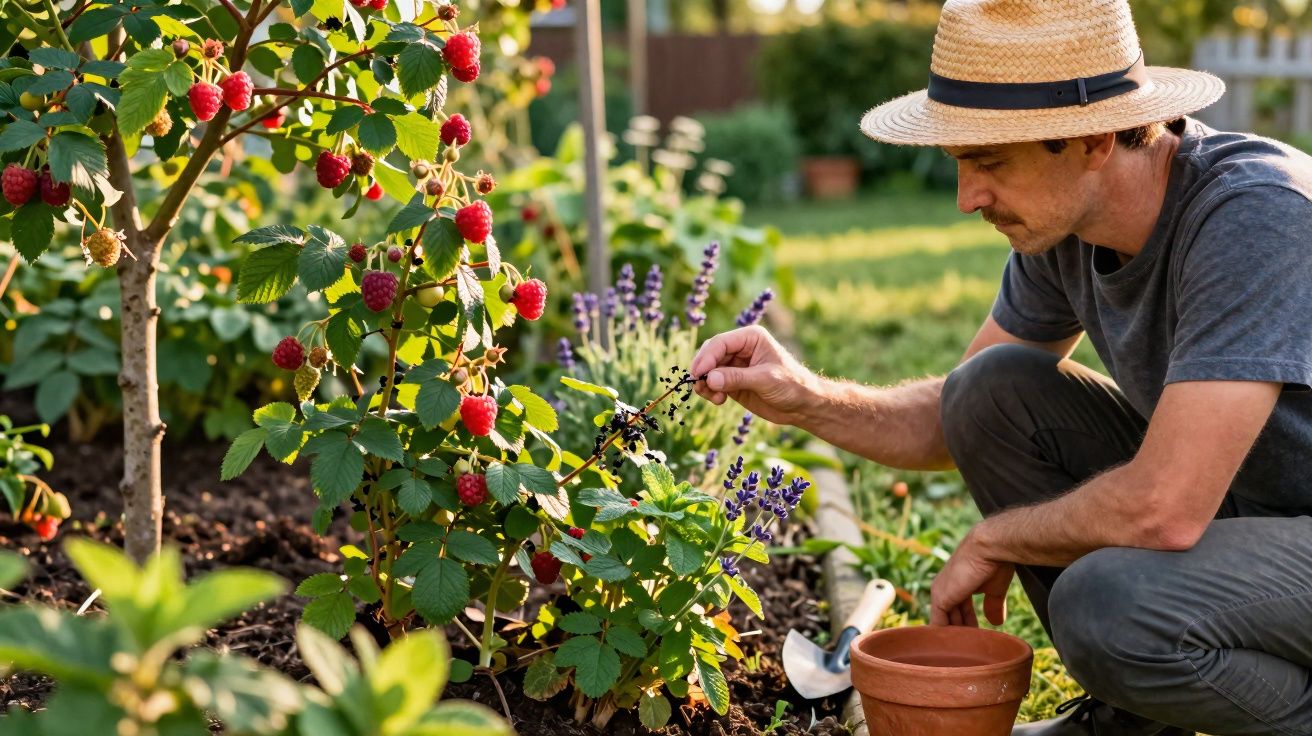
Raspberry and redcurrant bushes are often planted close to a fence or right next to a seating area. They provide not only delicious fruit for people, but also plenty of food for ants.
Typical trouble spots include:
- overripe berries that burst on the bush
- fruit that falls to the ground during picking or in windy weather
- sticky residues on the soil that are rarely cleared away completely
These sweet leftovers draw ants in large numbers. If the bushes are near the house, the route from the border to the patio door is short - and soon the columns are heading for the kitchen as well.
How to tell whether plants are attracting ants
If you are not sure which plants in your garden are making the problem worse, look out for a few clear signs.
| Sign | What it usually means |
|---|---|
| Small sticky drops on leaves | Honeydew from aphids |
| Ants marching systematically up stems | Ants “caring for” aphid colonies on the plant |
| Lots of overripe fruit on the ground | A sweet food source that attracts new ant nests |
| Small mounds of fine soil along paths or borders | Entrances to ant nests close to the plants |
Spotting these signals early gives you a chance to act before several nests become established.
Ant control strategies: not just poison, but better garden planning
Many gardeners instinctively reach for chemical products. These may work in the short term, but they rarely solve the root cause: poor plant choice, unsuitable positions or severe aphid infestations.
If you want to reduce ants, you should always think about aphids, fruit residues and plant placement as well. The best defence is a thoughtfully planned garden.
Keeping aphids under control
Because ants depend heavily on honeydew, it makes sense to focus on aphid management. Useful measures include:
- checking young shoots on roses and fruit trees regularly
- hosing off early aphid infestations with a strong jet of water before dense colonies form
- encouraging beneficial insects such as ladybirds, lacewings and parasitic wasps through varied planting
- using gentle treatments such as soft soap or nettle feed if the infestation is severe
If there is less honeydew available, the plants become much less attractive to ants.
Removing fruit and windfalls in good time
If you grow fruit trees, raspberries or redcurrants, you should not only be active at harvest time. Once the first fruit ripens, regular checks are worthwhile.
Practical tips:
- collect windfalls at least every few days
- remove damaged or insect-eaten fruit promptly
- if there is heavy worm damage or rot, harvest earlier rather than later
That takes one of ants’ key summer food sources away.
Plant placement can make all the difference
The location of a plant matters just as much as the plant itself. A few common mistakes can turn a harmless border into an ant route:
- roses placed directly outside the patio door and heavily infested with aphids
- raspberry bushes planted immediately beside the fence line by the house wall
- fruit trees whose windfalls regularly roll right up to the edge of the terrace
- beds with strongly scented, sugar-rich plants right next to the front entrance
If you move these plants a little further away from the house and use ant-repelling herbs near the building instead, the risk of ants indoors drops sharply.
Plants that help deter ants
There are also allies in the border. Some herbs and perennials are strongly disliked by ants because their scent compounds disrupt the insects’ chemical orientation.
Strong-scented herbs: wormwood, thyme, mint and lavender
Some plants are well known for keeping ants away:
- wormwood - its intense smell irritates ants
- thyme - contains compounds that can be unpleasant or even toxic to ants
- mint - its strong menthol scent masks the ants’ scent trails
- lavender - a popular ornamental plant whose aroma ants tend to avoid
You can use these herbs deliberately as a scent barrier, for example along the edge of a terrace, beside house walls or around beds that are badly affected.
If you love roses, plant them underplanted with lavender or thyme. It looks attractive and disrupts ant trails at the same time.
These plants are especially useful near patios, paths and doorways, where ants are most likely to cross from the garden into the home.
When garden layout mistakes drive ants indoors
Not every plant is a problem; the combination of species and location makes the real difference. A few typical traps stand out:
- roses planted right in front of the patio door and riddled with aphids
- raspberry bushes positioned immediately along the fence by the house wall
- fruit trees whose windfalls regularly end up at the edge of the terrace
- beds with highly scented, sugar-rich plants placed directly beside the entrance
One useful extra step is to avoid planting sweet, aphid-prone species too close to warm walls or sunny paving. These spots heat up quickly and create ideal conditions for ants to forage. Raised beds and container displays can also become an issue if they are kept beside the house and watered inconsistently, as both excess moisture and dry, crumbly soil can encourage nesting.
Move these plantings a little farther away from the house, and use ant-deterring herbs close to the building instead. That can greatly reduce the risk of ants appearing indoors.
Practical examples of an ant-light garden design
A realistic approach is not “no ants at all”, but keeping colonies away from sensitive areas. Ants belong in the ecosystem; they just should not be taking over the kitchen, patio or play area.
Possible solutions:
- move the rose bed further back into the garden and plant a strip of lavender in front
- position raspberries and redcurrants so that falling fruit lands on a surface that is easy to clean
- place grass beneath fruit trees, mow it regularly and clear away fruit
- create herb islands with mint, thyme and wormwood around the front door and terrace
With changes like these, many households need far fewer baits and sprays - while the garden still remains lively.
Why total ant-free living is neither necessary nor sensible
Ants can appear to be a nuisance, but they also perform useful jobs in the garden. They break down organic matter, loosen the soil and clear away dead insects. A certain ant population is therefore part of a healthy ecosystem.
The situation becomes problematic when poor plant selection and plentiful sweet food sources allow them to multiply unchecked and move into living spaces. If you understand which plants attract ants most strongly - and which ones they avoid - you can influence the balance in your garden in a targeted way, without having to resign yourself to trails crossing the dining table forever.

Comments
No comments yet. Be the first to comment!
Leave a Comment