
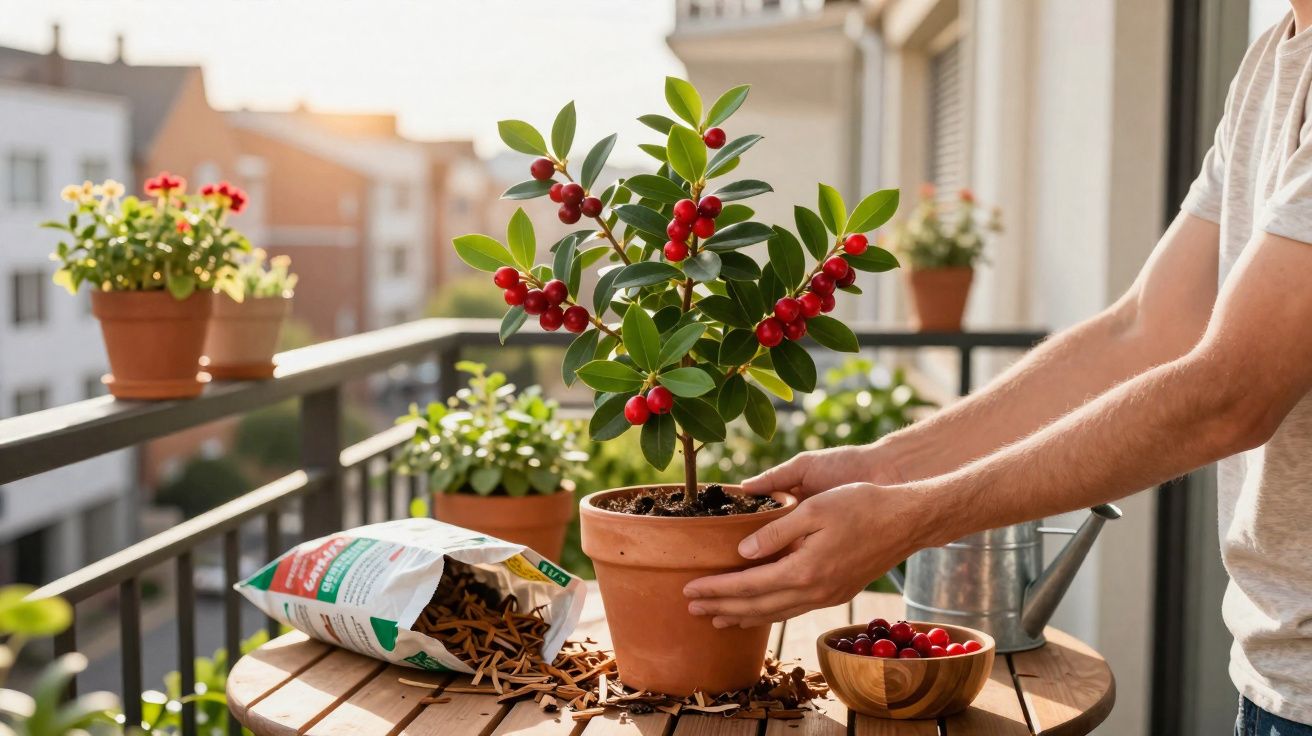
While many keen gardeners are still dreaming of growing their own lemon tree, another exotic fruit shrub is quietly making its way into pots and tubs. The murtilla, also known as the Chilean guava, is a perfect fit for small urban balconies, is impressively hardy, and produces fragrant berries that taste like wild strawberry, kiwi and a hint of holiday.
A fruit shrub designed for city balconies
The murtilla, botanically Ugni molinae, comes from the temperate forests of the Andes. There it grows as a low, evergreen shrub, which makes it ideal for container growing in central Europe.
This shrub usually stays below 1.5 metres, grows in a compact form and takes up very little space - ideal for a balcony or a small patio.
If you have limited room but do not want to give up home-grown fruit, this plant offers a remarkably practical solution:
- compact growth with a bushy habit
- suitable for medium-sized pots and tubs
- evergreen, so it remains attractive in winter
- no complicated pruning technique needed
Its dense crown also provides a little screening and adds structure to areas that might otherwise hold only herbs or a single olive tree.
Flavour somewhere between strawberry, kiwi and guava
The real excitement begins when the first berries ripen. Visually, they resemble small round fruits in red to deep purple, a bit like miniature red blueberries. Once you taste them, though, something far more surprising happens: the flavour is layered and unexpectedly complex.
Many gardeners describe the taste as a blend of:
- wild strawberry
- kiwi
- guava
- with a gently spiced, warm finish
If the berries are left to ripen fully, they develop clear sweetness balanced by a subtle tang - ideal for eating straight from the shrub. At the same time, the fruit is well suited to desserts, jam and fragrant sauces.
An all-year ornamental plant with a fragrant bonus
The appeal is not limited to the fruit. The foliage stays on the plant throughout the year. The leaves are small, firm, glossy and dark green, giving the pot a neat, almost elegant appearance.
From late spring, usually from May onwards, the murtilla begins to flower. At that point it is covered in many delicate, whitish-pink bell-shaped blooms. These flowers release a sweet, gentle scent that is easy to notice on a balcony or terrace, and they attract pollinators such as bees almost magnetically.
Fruit shrub, scented plant and evergreen focal point all in one - that is the murtilla’s real strength.
Easy to grow, as long as the soil is right
Despite its exotic origin, this plant is surprisingly straightforward to look after. The key is the right soil in the pot. Its roots are sensitive to lime. If you use tap water with a high lime content and ordinary garden soil, the plant often starts to struggle.
The ideal growing medium for murtilla
The shrub has needs similar to rhododendrons or blueberries. The container should therefore be filled mainly with acidic compost. A proven mix is:
- at least 60–70% peat-free ericaceous compost or rhododendron compost
- combined with a little good-quality compost
- a drainage layer at the bottom of the pot, such as expanded clay or gravel
A slightly acidic pH promotes vigorous growth and healthy leaves. The plant does not tolerate waterlogging, so water must always be able to drain away freely.
For best results, repot young plants as they fill their container, usually every two to three years. A fresh layer of ericaceous compost in spring also helps maintain the right soil conditions without disturbing the roots too much.
How frost-hardy is the shrub really?
Its origins in the cooler parts of South America work in its favour here. Established plants can cope with short spells of temperatures down to around -10 °C. In a border that is sufficient for many areas, but in a pot it becomes more complicated because the roots are exposed to the cold.
For container plants in winter, the following protective steps are useful:
- wrap the pot in horticultural fleece or hessian
- stand the container on wooden battens or a sheet of polystyrene
- move it as close as possible to a sheltering house wall
With a little winter protection, murtilla can get through the cold season in many regions without needing a conservatory.
How to get plenty of berries in a pot
If you want the shrub not only to look good but also to crop well, watering and pruning are crucial. The root system stays fairly shallow and is sensitive to drying out.
Watering and mulch as a yield booster
In summer, the compost should never be allowed to dry out completely. The soil should always feel slightly moist, but not wet. Waterlogging will eventually cause root problems, so it is better to water little and often. Rainwater with low lime content is ideal for this shrub.
A mulch layer on top of the compost works particularly well, for example made from:
- pine bark
- wood fibre
- flax or hemp chippings
Mulch reduces evaporation, keeps the roots pleasantly cool and gradually helps to increase soil acidity - exactly what this plant likes.
Gentle pruning for more flowers
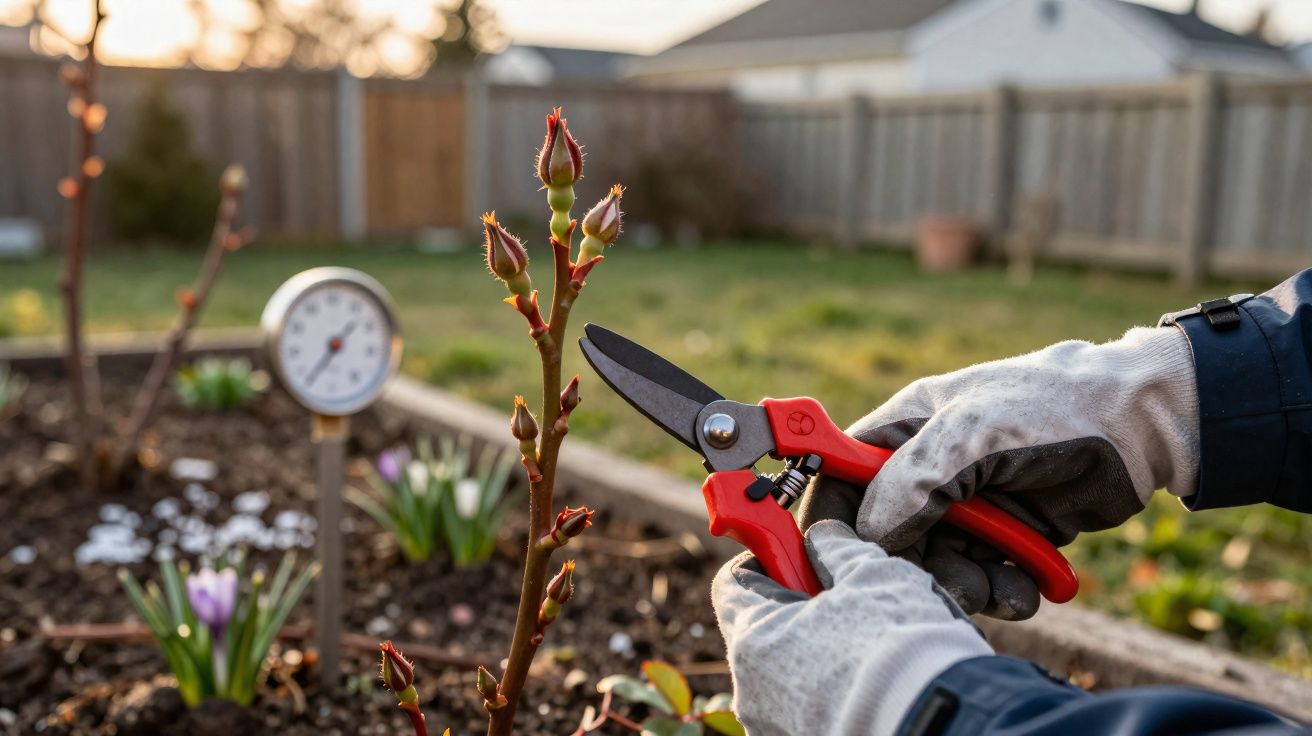
There is no need for elaborate pruning. Once a year, ideally between late February and early March, a quick check with the secateurs is enough:
- remove dry, dead twigs
- shorten any overly long shoots slightly
- thin out crossing branches in the centre
This keeps the shrub compact and encourages more branching. More branches mean more flowers, and therefore more fruit.
Late harvest that stretches the autumn
While tomatoes have long since been cleared away and ordinary strawberries are a memory, the murtilla is only just getting started. The berries usually ripen from October through to early winter, depending on the site, and can often be picked until the first stronger frosts.
Anyone who is still picking fresh fruit from their own balcony in late autumn quickly understands why this shrub is regarded as a hidden gem.
Harvesting is done by hand. Ripe berries come away easily and have a strong fragrance. They can be:
- eaten straight away
- made into jam or jelly
- turned into fruit sauces for desserts
- used as a topping for yoghurt and porridge
A small berry with a big benefit for urban nature
Alongside its culinary appeal, the shrub also offers ecological value. Its flowers attract bees and other pollinators, which matters particularly in dense urban areas. The berries in turn provide food for birds and insects - unless people eat them all first.
If you combine several different plants on a balcony, you can create a kind of miniature mosaic habitat. Murtilla fits in well between herbs, ornamental grasses and other berry shrubs such as blueberries or cranberries. They all benefit from similar soil conditions, and visually the result is varied and lively.
Placing two murtilla plants near each other can also help improve pollination and fruit set, especially on sheltered balconies where insects may not move around as freely. That extra bit of pollinator activity can make a noticeable difference at harvest time.
Practical tips for beginners
If you are planting the shrub for the first time, a few simple rules will help you get off to a strong start:
| Aspect | Recommendation |
|---|---|
| Site | bright, partial shade to full sun, protected from cold wind |
| Pot size | at least 25–30 litres for mature plants |
| Soil | acidic, loose, free-draining compost |
| Feeding | organic berry fertiliser or compost in spring |
| Watering | evenly moist, no lime water, no waterlogging |
| Winter protection | wrap the pot and place it in a sheltered spot |
Many garden centres now stock the plant seasonally, especially in spring. Buying smaller plants saves money, although it does mean waiting a little longer for the first meaningful harvest.
Why this exotic shrub is worth it for balcony owners
Its combination of compact growth, attractive appearance and aromatic fruit makes this shrub an exciting alternative to classic container plants. Unlike citrus trees, it does not need exceptionally strong sun or a winter indoor space kept constantly above freezing.
For anyone starting out with balcony fruit, the murtilla offers a gentle introduction: very little pruning, a manageable level of care, and the satisfaction of growing something genuinely unusual in a pot. If you are already thinking about redesigning your balcony in spring, this Andean shrub can create a feature that brings lasting pleasure both visually and in the kitchen.


Comments
No comments yet. Be the first to comment!
Leave a Comment