
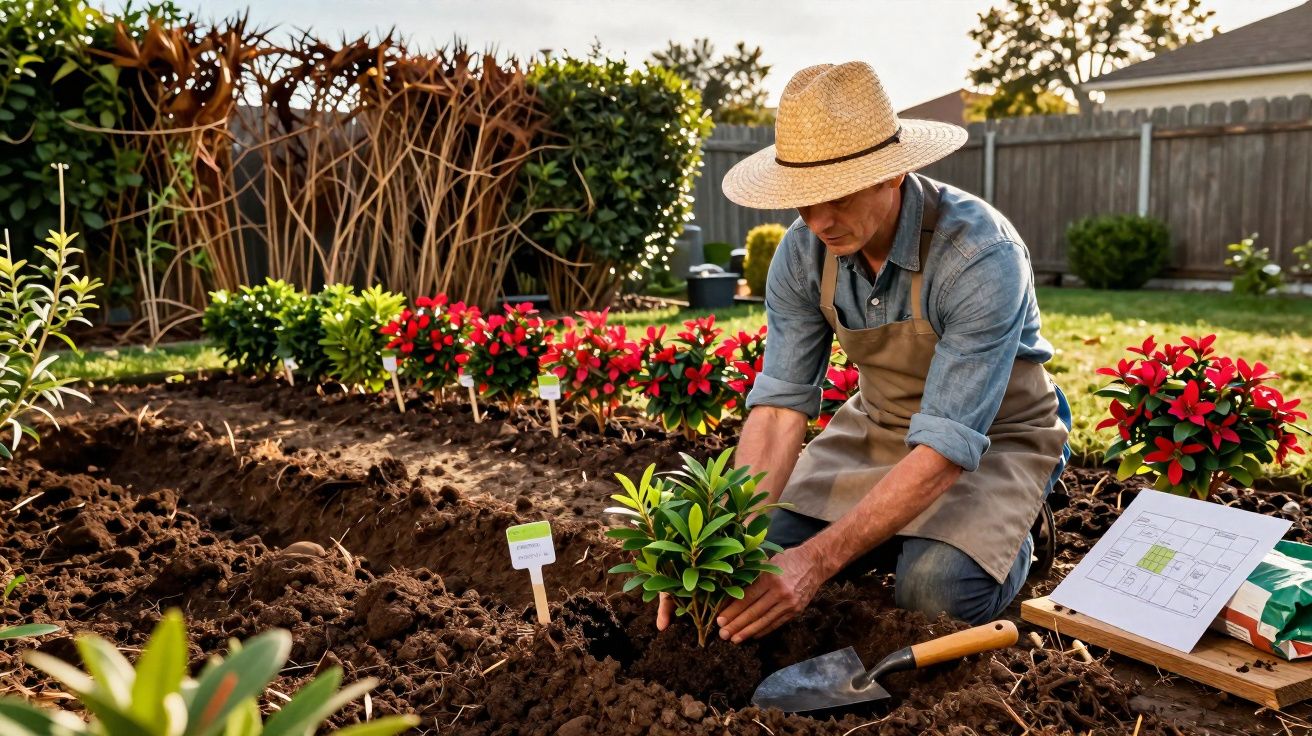
For years, evergreen Photinia has been one of the most commonly planted hedge shrubs in front gardens and along property boundaries. That picture is now changing. Leaf spotting, holes in the foliage and steadily worsening leaf drop are becoming more common, and whole runs of hedge can suddenly look tired and depleted. Garden experts are now turning their attention to a colourful, surprisingly straightforward shrub that can take over the problem role - and is likely to bring many gardens a fresh start from spring 2026.
Why Photinia hedges are failing more often
Photinia built its reputation on rapid growth, bright red new shoots and fast, dense screening. Those qualities made it especially attractive in new-build areas and to gardeners who wanted quick results. Today, the downside of that widespread planting is becoming increasingly clear.
Typical symptoms now reported more frequently include:
- leaves with red, brown or black spots
- branches becoming bare and obvious gaps appearing in the hedge
- an overall thin, uneven appearance
The main cause is a fungal disease known to gardeners as Entomosporium leaf spot. It thrives in damp, mild weather - exactly the kind of winters and springs Central Europe has been experiencing more often in recent years.
The combination of climate change, dense planting and poor hygiene has turned what was once a hardy Photinia into a problem plant in many places.
There is another common mistake that worsens the issue: planting the hedge too tightly. When shrubs are squeezed in too close together, the hedge behaves like a damp greenhouse. Leaves stay wet for too long after rain, fungal spores spread with ease, and fallen infected foliage often remains trapped beneath the hedge as a lasting source of reinfection. If the same shrub is then replanted without first improving the soil, the whole cycle starts again.
Pittosporum: the colourful Photinia replacement with real staying power
This is where a shrub that is still unfamiliar to many gardeners in the UK and elsewhere comes into focus: Pittosporum. Already well established in warmer regions, it is increasingly proving to be a very sensible answer to the problems caused by Photinia.
Pittosporum makes everyday hedge care easier
Pittosporum keeps its leaves all year round and, depending on the variety, brings a range of foliage colours into play: from deep green to cream-and-green variegated forms, and even grey-green, almost silvery shades. In other words, it delivers two things at once: dependable privacy and a strong visual accent.
From a practical gardening point of view, it also grows at a moderate pace. The hedge puts on steady annual growth without shooting out of shape within a few years. In practice, that usually means:
- one shaping trim a year is enough
- two cuts may be useful if you want a very crisp, architectural finish
- less pressure if you miss the occasional pruning window
Unlike the troubled Photinia, Pittosporum is generally far less prone to leaf diseases. It does not need constant monitoring or complicated treatments.
If you do not want your hedge to become a full-time hobby, Pittosporum offers a dependable solution with remarkably little effort.
Pittosporum also tends to establish well in sheltered, well-drained positions, which makes it a useful choice for many domestic gardens. In colder exposed sites, a little protection from strong winds helps young plants settle in more reliably during their first seasons.
Why a mixed hedge makes more sense in the long run
Many experts now advise moving away from monocultures, whether the hedge in question is cherry laurel, thuja or Photinia. A hedge made up of several shrub species not only looks more natural and varied, it also copes far better with disease pressure and extreme weather.
A mixed hedge offers several advantages:
- if one species suffers, the others visually cover the gap
- flowering times and foliage colours are spread across the year
- birds, insects and other beneficial wildlife find more food and shelter
Reliable partners for Pittosporum include:
| Shrub | Strength | Special effect |
|---|---|---|
| Pittosporum | evergreen, holds its shape well | colourful or glossy foliage |
| Oleaster (Elaeagnus) | extremely tough, wind-resistant | silver-sheened leaves, strong character |
| Cornus (dogwood) | resilient and forgiving | red winter stems, fresh interest in bare months |
| Hazel | native, ecologically valuable | food for squirrels and birds, natural look |
Step by step: replacing an old hedge successfully
Preparing the soil
Before any new shrubs go in, the site needs a proper reset. Skipping this stage often means carrying old problems into the next planting.
- Remove the sick shrubs completely, taking as many roots as possible with them.
- Do not compost infected clippings; dispose of them with general waste or at the tip.
- Loosen the soil deeply and clear out thick roots and old leaf litter.
- Work in about a ten-litre bucket of well-rotted compost for each planting hole.
- If the ground is heavy and wet, improve drainage with sand or a layer of gravel.
That effort is worthwhile. Soil that is loosened and enriched with humus helps young roots establish faster and reduces stress in the first few years.
Planning spacing and the plant mix
If Pittosporum and companion shrubs are to avoid the same disease trap, spacing is crucial. Air must be able to move through the hedge.
- Plant Pittosporum 80 to 100 centimetres apart.
- Allow roughly ten to twelve plants for a ten-metre hedge.
- For a mixed hedge, combine for example six Pittosporum, two oleasters and two Cornus shrubs.
- After planting, cover the root zones with a mulch layer about five centimetres thick.
- In exposed, windy positions, support each young shrub with a stake during its first year.
A hedge designed from the outset to be open and well ventilated is far less likely to suffer from fungal disease or plant stress.
What the new hedge really needs in terms of maintenance
Once the new hedge is established, one of Pittosporum’s biggest strengths becomes obvious: it is easy to look after. After rooting in properly, it asks for far less attention than many traditional privacy plants.
The main jobs through the year are:
- Pruning: one shaping cut a year is usually enough, ideally in late spring or late summer.
- Watering: during the first twelve months, water regularly - around ten litres per plant once or twice a week in dry weather. After that, only water in prolonged dry spells.
- Feeding: in spring, apply a light, balanced general fertiliser at around 50 grams per metre of hedge.
- Mulch care: renew the mulch layer every two years to support soil life and keep moisture levels steady.
One more practical point is worth remembering: newly planted hedges fail more often from inconsistent watering than from cold. Deep, less frequent watering encourages roots to grow downwards, which makes the hedge much more resilient once it has settled in.
Common mistakes - and how to avoid them
Many familiar hedge problems are not caused by the plant itself, but by repeated planning errors. If you know what they are, you can avoid a great deal of trouble later on.
- Reusing tools without washing them after a fungal outbreak - they can spread spores.
- Planting new shrubs too close together because you want the hedge to close up quickly - this invites disease in the long term.
- Leaving fallen leaves in place permanently - they provide an ideal overwintering site for pathogens.
- Failing to include any variety - one disease can then damage the whole screen.
Choosing the right Pittosporum varieties for your garden
Pittosporum is available in several heights and colour forms. For smaller town gardens, compact varieties that rarely exceed two metres are a good fit. On larger plots, a stronger-growing form may be preferable, as fewer plants are then needed to create a dense screen.
Before buying, it is sensible to ask yourself the following questions:
- How tall is the hedge actually allowed to become under local rules and boundary agreements?
- Should the overall look be more formal and modern, or relaxed and natural?
- How much time is realistically available each year for pruning?
If you also have a rough idea of your soil type - sandy, clay-heavy, prone to waterlogging or quick to dry out - a good garden centre can point you towards suitable varieties and companion shrubs.
Long-term perspective: rethinking hedges
The problems with Photinia are a warning sign. Monocultures, tight planting and one-track trend shrubs are increasingly reaching their limits in a changing climate. Anyone who switches now will gain more peace of mind in the years ahead.
A carefully planned mix with Pittosporum as the backbone, sturdy companion shrubs and sensible spacing does more than create visual variety. It also strengthens the garden’s small ecosystem, makes it less vulnerable to fungal attack and weather extremes, and ultimately saves time, effort and money.



Comments
No comments yet. Be the first to comment!
Leave a Comment