
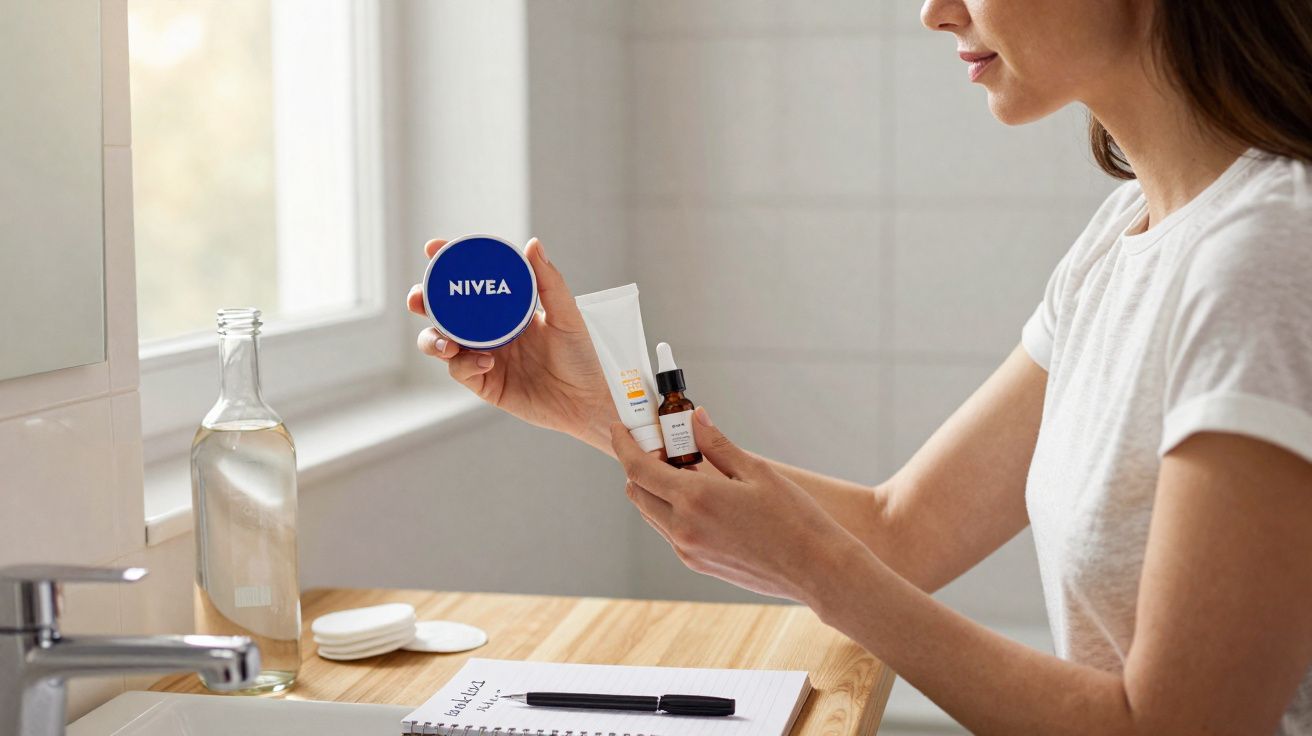
A century-old blue tin has found itself centre-stage again - this time alongside a kitchen acid.
That familiar Nivea Creme tin from your gran’s cupboard is being pushed online as a wrinkle fix. One wellness influencer’s tip is to combine Nivea Cream with apple cider vinegar for an “instant” smoothing effect. It looks quick, low-effort and inexpensive. Dermatologists, however, aren’t applauding.
A century-old cream meets a viral promise
The blue-tin Nivea Creme first appeared more than 100 years ago. It’s built around rich occlusives and emollients - think mineral oil derivatives, microcrystalline wax, lanolin and glycerin. Together, they help lock water in and soften rough, dry areas. That’s why it’s a staple for heels, elbows, cuticles and faces that feel wind-chapped in winter.
On TikTok and Instagram, people are now whipping the cream together with apple cider vinegar and presenting it as a rapid anti-wrinkle routine. The instructions are typically: mix a spoon of cream with a spoon of vinegar, apply, leave on for up to half an hour, then rinse off. Smaller pores. Faded marks. Softer lines. That’s the sales pitch.
Hydration can plump the surface for a few hours. It does not rebuild collagen or erase established wrinkles.
What the mix claims to do
Videos commonly promise multiple benefits after a single try: a brighter look, tighter pores and fewer fine lines. The blend is also marketed as “natural” and kind to the wallet. Skin experts counter that “natural” is not the same as “safe”. Pairing acids with heavy occlusives can be a recipe for irritation, particularly if your skin is sensitive or prone to spots.
What’s inside the blue tin
Nivea Creme’s main job is to reduce moisture loss. Waxes and paraffins sit on the skin like a seal, while glycerin helps pull water into the top layers. Lanolin contributes slip and softness, and the fragrance creates that instantly recognisable smell. On their own, these ingredients don’t tackle photoageing. What they can do is provide comfort and a subtle sheen - useful benefits, but not the same as a targeted anti-ageing treatment.
Moisturizers smooth by filling tiny surface cracks with water. Anti-aging actives change how skin cells behave over time.
Hydration is not an anti-age shortcut
Evidence-based anti-ageing approaches tend to look quite different. Retinoids support collagen production. Peptides may help signal repair processes. Vitamin C helps defend against oxidation and can improve firmness when used consistently. Sunscreen is crucial because ultraviolet exposure drives most wrinkle formation. A thick moisturiser may sit on top of these steps, but it seldom substitutes for them.
Apple cider vinegar on skin: what science says
Apple cider vinegar is largely acetic acid mixed with water, and its pH often falls around 2 to 3. A low pH can loosen dead surface cells, sometimes giving a quick “brighter” effect. But leave-on use - especially undiluted - increases the chance of stinging, barrier damage and post-inflammatory pigmentation changes. The face is particularly vulnerable, with eyelids and neck skin being especially delicate.
If someone is set on experimenting, patch testing diluted vinegar on the inner arm is less risky than applying it straight to the face. People with eczema, rosacea or active acne often react more quickly. Children and teenagers may also be more sensitive.
Undiluted acids on the face can disrupt the lipid barrier within minutes. A damaged barrier loses water and lets irritants in.
Risks rise when acids meet occlusives
An acid placed beneath - or mixed into - a heavy occlusive can penetrate more than expected. That may intensify burning and redness. The cream’s fragrance can also be an irritation trigger for some. And if your skin is oily or easily congested, thick occlusives can trap sebum and debris, contributing to bumps.
What dermatologists advise instead
Most clinicians favour consistency over viral shortcuts. Focus on keeping the skin barrier settled, then add actives backed by good evidence. Reserve heavier creams for areas that need extra cushioning, or for evenings when cold weather leaves skin feeling tight.
- Morning: gentle cleanser, vitamin C serum, lightweight moisturiser, broad-spectrum SPF 30 or higher
- Evening: gentle cleanser, retinoid or bakuchiol (start low, go slow), hydrating serum with hyaluronic acid, cream as needed
- Weekly: mild exfoliant (PHA or low-dose BHA/AHA), skip if stinging or dryness appears
A simple routine that actually targets lines
Retinoids remain the gold-standard option for fine lines and uneven texture. Peptides can support a firmer feel. Niacinamide may help with pores and uneven tone. Hyaluronic acid increases water content, which can temporarily soften creases without relying on harsh acids. If your skin is reactive, choose fragrance-free, non-comedogenic options. And the blue tin still has a role: hands, feet, or cheeks that are wind-burned in winter can benefit from its protective feel.
| Trend claim | What experts say | Safer swap |
|---|---|---|
| Instant wrinkle erasing | Temporary plumping from hydration, not true wrinkle reversal | Nightly retinoid, daily SPF, patient use over months |
| Pore tightening | Acids can shrink swelling briefly, risk irritation | Niacinamide 2–5%, salicylic acid 0.5–2% as tolerated |
| Brightening dark spots | Irritation can trigger more pigment in some skin tones | Azelaic acid, vitamin C, sunscreen reapplication |
| “Natural” equals safe | pH and dose matter more than origin | Patch test, dilute acids, avoid eyes and broken skin |
How to test trends without hurting your skin
Check the pH and concentration of any acid you plan to use. If the pH is under 3, think of it more like a peel than a daily body lotion. If you try it at all, dilute it. Begin with short contact times and rinse well. Avoid topping an acid with a strongly fragranced occlusive while you’re still figuring out how your skin responds.
Keep an eye out for warning signs: tightness, stinging that lasts longer than a minute, flaking, or an overly shiny, waxy appearance that can indicate barrier stress. If these show up, stop actives for a few days and prioritise bland, fragrance-free hydration.
Quick checklist before trying a hack
- Patch test on the inner forearm for 48 hours
- Avoid eyelids, corners of the nose, and broken skin
- Introduce one new product per week, not three at once
- Use sunscreen daily when using acids or retinoids
- If you have eczema, rosacea, or melasma, get a tailored plan first
The blue tin still earns its place as a comfort cream. Use it for dryness and chafing, not as a standalone wrinkle treatment.
Extra context that helps decisions
Wrinkles deepen mainly due to sun exposure, time and repeated facial movement. SPF and shade habits shift that trajectory more than any single cream. If money is tight, put your budget into sunscreen and a retinoid first. A straightforward hydrating lotion can cover the rest, and expensive packaging rarely changes results.
If you want to trial the idea properly, run a split-face test for four weeks. One side: retinoid plus a basic moisturiser. The other: the viral mix twice a week, stopping immediately if irritation begins. Photograph your skin in the same lighting and track texture, redness and comfort. Evidence beats hype - and if stinging becomes the main result, you’ve got your answer.




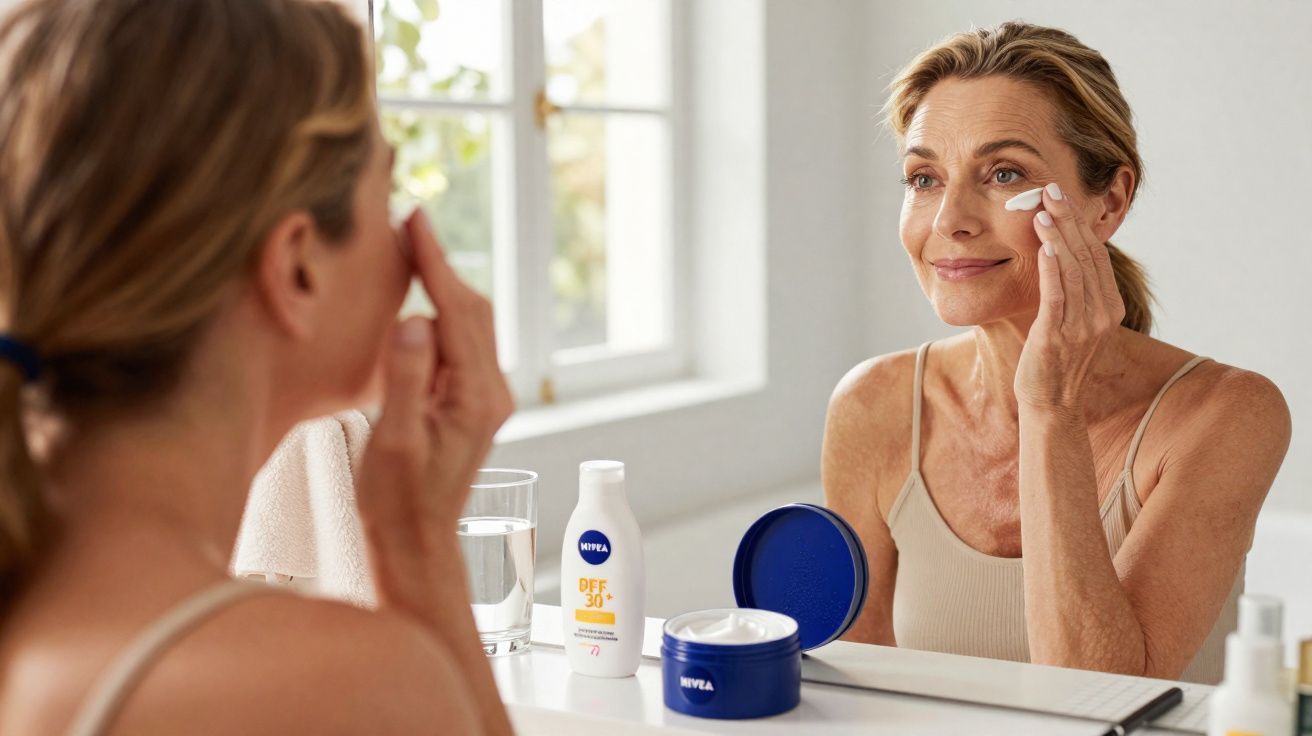

Comments
No comments yet. Be the first to comment!
Leave a Comment