

At around 06:30, Mr Krüger drags crates of bread rolls across the car park of a supermarket in a mid-sized German town. He is 72. He used to be an insurance administrator; now he is on a mini-job on the early shift. The shop’s strip lights flicker as he tops up the shelves. He swaps jokes with the young colleague on the till, but when she steps away for a moment his eyes catch on the butter price sign: €2.49. He exhales sharply, mostly to himself. “I never used to think about this,” he mutters as he slides the final crate into place. These days he does the sums for every pack in his head: how much for electricity, how much for heating, how much of the month is left once the money has already gone.
You can tell: behind his grin there is a calculator running in his mind, and it no longer switches off.
When retirement suddenly exists only on paper
You notice them everywhere once you start paying attention. Older men with greying beards stacking shelves. Women in their mid-seventies behind the bakery counter, even though they are long past the stage of a “grandmother’s pension”. And the voices on the bus that apologise as they climb aboard - “I’m actually retired” - when everything takes a little longer. They wear safety boots, not slippers. Many of them would rather be at the kitchen table in their pyjamas than in workwear on a DIY store car park.
The plain figures are hard to overlook. In Germany, the number of pensioners who are still working has risen markedly in recent years, in some areas by double-digit percentages. You meet former tradespeople who now deliver parcels, and ex-teachers who organise shelves in chemists. The official line is often, “I need something to do or I’ll go mad.” Ask a few minutes later, a different sentence usually follows - quieter, shorter: “I can’t manage on the pension alone.”
The reasoning is brutally straightforward. The cost of living keeps climbing: rent, energy, food, insurance. Pensions may go up on paper, but the impact disappears as soon as the next direct debit leaves the account. Many pensions are shaped by working lives with gaps and breaks: bringing up children, part-time jobs, caring for relatives, spells of unemployment. Women, in particular, feel that month after month in their purses. Anyone who has “somehow managed” all their life suddenly finds that “somehow” no longer adds up in old age. And then, at 68 or 74, you find yourself weighing up whether you should buy a work jacket again.
Between dignity and a discount supermarket job: making work in later life feel less punishing
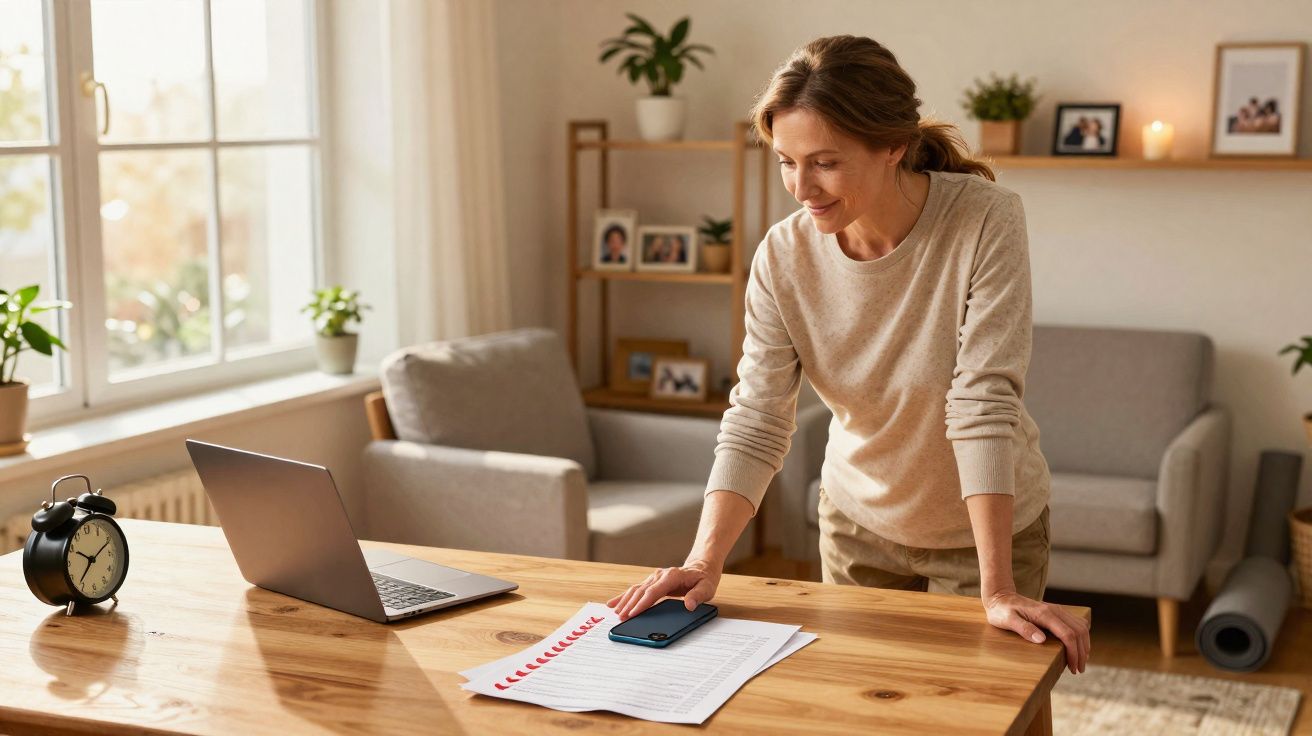
Some pensioners approach the question of working on surprisingly strategically. They sit down, run the numbers properly, and talk to the pension authority or a tax assistance service. It is not all nostalgia or “I just like helping out in the shop.” If there is any wiggle room, they deliberately cut back their hours, look for roles that are easier on the body, or move shifts to early mornings or evenings so the day remains their own. Sometimes a voluntary role at a local club turns into a small paid side job. Other times, old expertise is repackaged as consultancy. “I have to” becomes, at least in part, “I choose to.”
A common pattern is that many start too quickly and with too much goodwill. They say, “Sure, I’ll do it,” and accept every shift, every call, every extra task. At some point the body pulls the emergency brake. Back, knees, circulation - everything complains. And honestly: no one enjoys leaving the house at 04:30 five days a week at the age of 70. Some say they felt ashamed at first to admit they had to work again. A sense of having “failed” lingers, as if they personally planned badly. In reality, most are simply paying the price for decades of political and economic decisions.
In a small-town café, a 69-year-old former nursery worker sits down to talk. She now looks after babies by the hour, paid by young parents. She says:
“I love children - that’s not the problem. But I would have liked to decide for myself whether to do this, and not because otherwise heating becomes a luxury in winter.”
For herself, she has set out a few rules:
- Never agree to more than three fixed working days per week
- Prioritise jobs that match existing skills and personal stamina
- Confirm in writing what will be paid - and what is simply a favour
- Speak openly with family about money, strain, and boundaries
In this way, a necessity is gradually reshaped into a framework where personal choices still have room.
When working in old age becomes a quiet referendum
The growing number of pensioners who continue working is not just an economic statistic; it is something like a quiet vote with their feet. It signals that the story of a carefree later life no longer matches many bank balances. Some see the trend as a silent scandal; others as a sober consequence of an ageing society. Between those two views are real people, standing at the bakery shelf at six in the morning or making beds in a care home at night. What hardly anyone tells them is this: they are propping the system up again, after already carrying it for a lifetime.
Perhaps, in a few years, we will tell different stories about ageing - less about a “well-earned retirement” and more about a shared negotiation: how do we want to live when we are old? How much work is reasonable, how much financial security do we expect, how much are we willing to grant one another? When you see a pensioner smiling in a supermarket today, it is easy to notice only the surface - a bit of movement, a chat, a task to do. Underneath sits the plain question: is there enough money for a life that is not made up only of enduring?
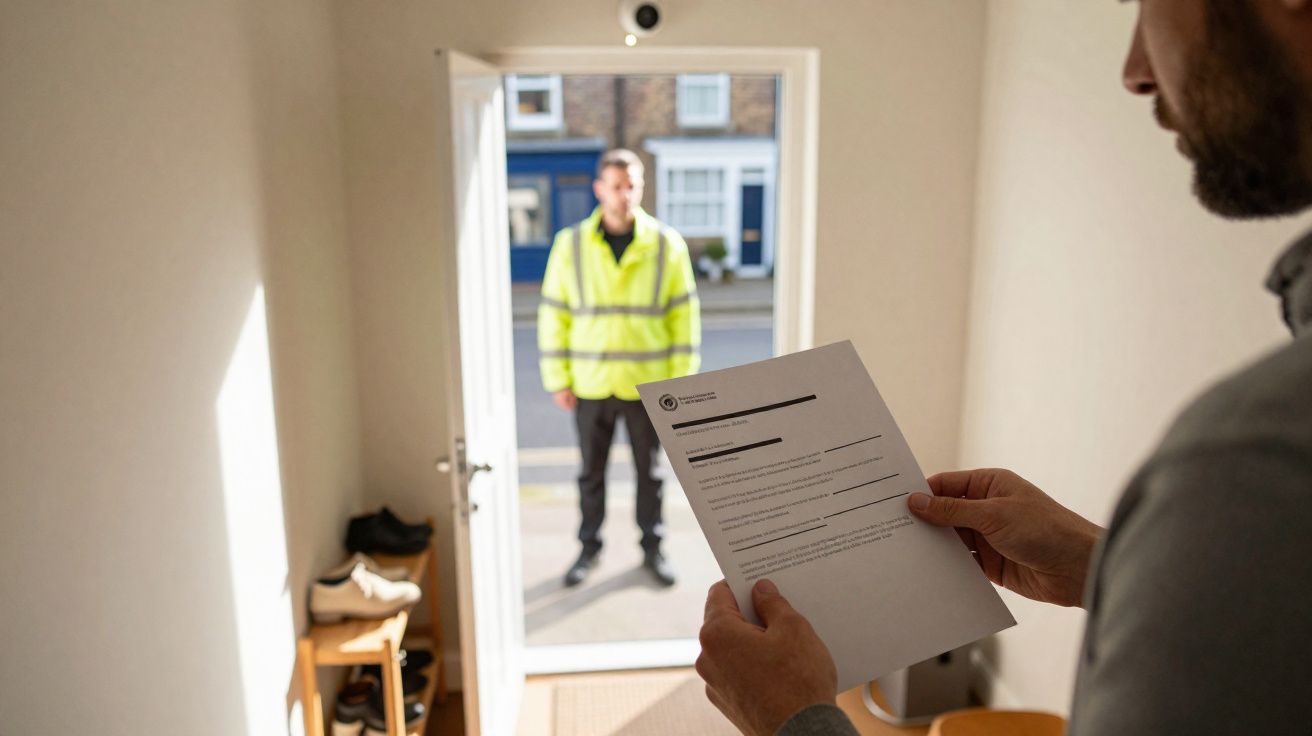
Maybe change starts exactly where we stop looking away when the 74-year-old parcel courier stands at the front door, breathing heavily. Instead, we speak with him, ask for his story, allow our own anger or helplessness. And then we consider how we might rethink not only our own old age, but also that of our parents and neighbours. Working in later life is no longer an exception; it is becoming the norm. The real question is whether we want it to stay that way - or whether, one day, we will return to different numbers, different stories, and different visions of the future.
| Key message | Detail | Added value for the reader |
|---|---|---|
| The pension often no longer covers basic costs | Rising prices collide with broken work histories and low pensions | Assess your own financial position in later life more realistically |
| Continuing to work can be shaped | Choose hours, types of work, and conditions consciously | Practical starting points for turning necessity into more self-determination |
| Open conversations ease the pressure | Shame about money worries fades when family and wider circles are involved | Make better use of emotional and practical support |
FAQ:
- How many pensioners are currently still working? Depending on the region, roughly one in six to one in seven pensioners continues working in some form, and the trend is rising.
- Can pensioners earn extra income without limits? Since the flexible retirement scheme, the limits have been loosened significantly, but it is still worth checking the latest rules from the German pension insurance agency.
- Is a consultation appointment worthwhile before taking a side job? Yes. Even a one-hour conversation with the pension authority or a tax assistance service can prevent unpleasant financial surprises later.
- Which jobs are usually more manageable for older people? Roles with little heavy lifting, flexible hours, and use of existing experience - for example childcare, office work, consultancy, or light service jobs.
- How do I talk to my parents about them working again? Without blame and without pity: listen, ask what is weighing on them, and look together for alternatives or ways to reduce the strain.


Comments
No comments yet. Be the first to comment!
Leave a Comment