
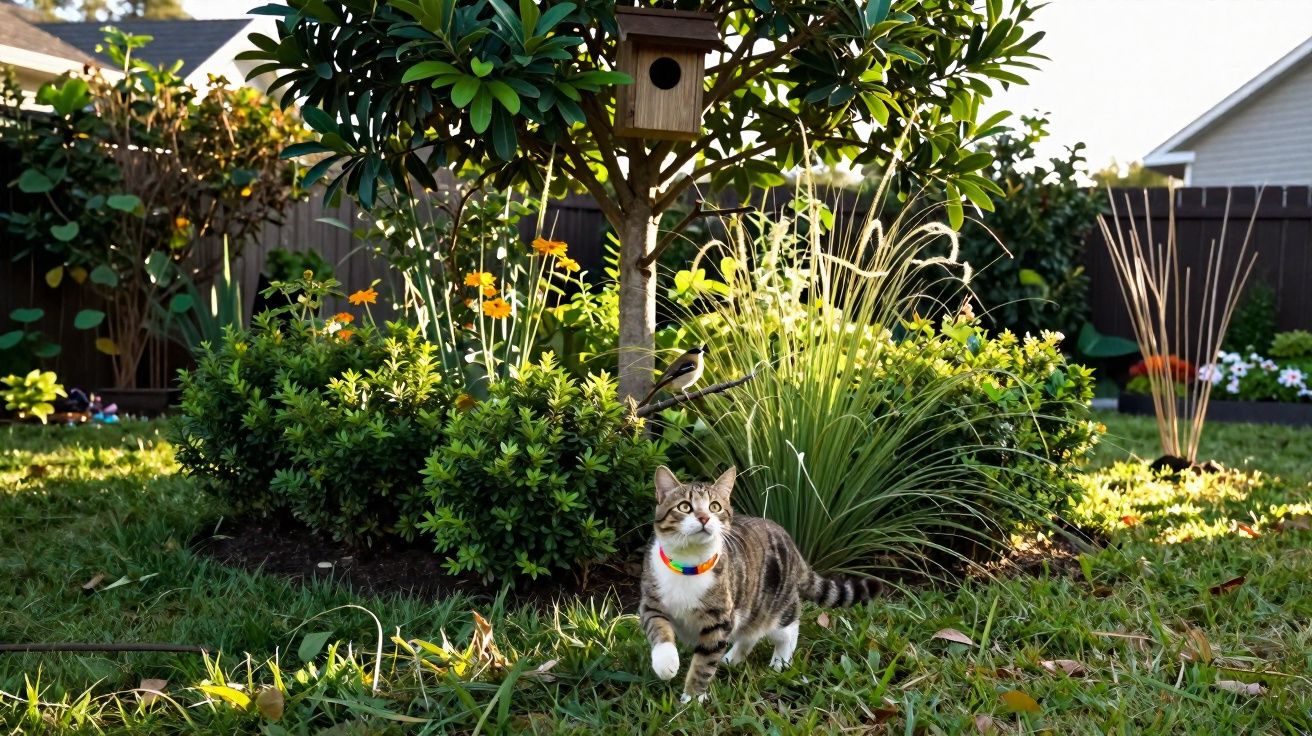
As soon as the weather turns milder, the garden bursts into life: blackbirds tug worms from the soil, tits work tirelessly to feed their young, and somewhere in the middle of it all, a cat is prowling through the shrubs. For millions of household cats, the back garden then becomes a hunting ground. That does not have to spell disaster for birds if owners make a few targeted changes.
Why a home garden becomes a hunting paradise for cats
Domestic cats are well fed, yet the instinct to hunt remains switched on. Even animals that seem relaxed indoors can suddenly move into stalk-and-pounce mode outside. Between March and July, young birds are especially vulnerable. Many are still on the ground or clambering awkwardly through low branches - exactly where cats can reach them with ease.
One factor makes matters worse: the “tidy” garden. What looks neat from a human point of view can turn into a lethal trap for birds.
- closely cut lawn with no cover,
- thorough removal of leaf layers,
- no piles of sticks or twigs,
- shrubs cut back heavily.
With these features missing, there are few hiding places where adult birds or fledglings can take shelter from attackers. Nests are easy to spot and escape routes are blocked. For cats, this kind of setting is perfect; for birds, it is dangerously exposed.
The more “perfect” and sterile a garden appears, the easier it is for the cat - and the worse the birds’ chances become.
The 3-2-1 refuge zone: turning lawn into a bird protection area
A straightforward design idea can reverse the balance: give the garden a deliberately structured area that is not over-managed - a refuge for wildlife that makes access harder for cats. Think of it as a “3-2-1 protection zone”.
Three layers that slow the cat down
The protection zone is made up of three plant layers that look confusing and uninviting to a cat, while giving birds excellent cover:
- Ground cover: dense, low-growing plants such as cranesbill geranium or low sedges. These provide shelter for young birds and insects.
- Thorny or dense shrubs: for example hawthorn, blackthorn, wild rose, barberry or hazel. These form a spiky barrier that cats prefer not to push through.
- Small trees: a light canopy that breaks up sight lines. Predators have a harder time spotting nests, and birds can use this layer as a safe lookout point.
The important thing is that this area is left largely undisturbed during the breeding season. Anyone who does not want to overhaul the whole garden at once can begin with one corner - perhaps along the boundary or around an existing tree.
Left alone from March to July: small actions, big impact
For birds, structure matters far more than perfection. A few easy-to-do changes already bring noticeable relief:
- leave at least one square metre of leaf litter beneath hedges,
- leave a pile of wood and branches in a quiet corner,
- before the first cut, allow a strip of grass to grow tall,
- leave dead, hollow stems from perennials standing until after the breeding season,
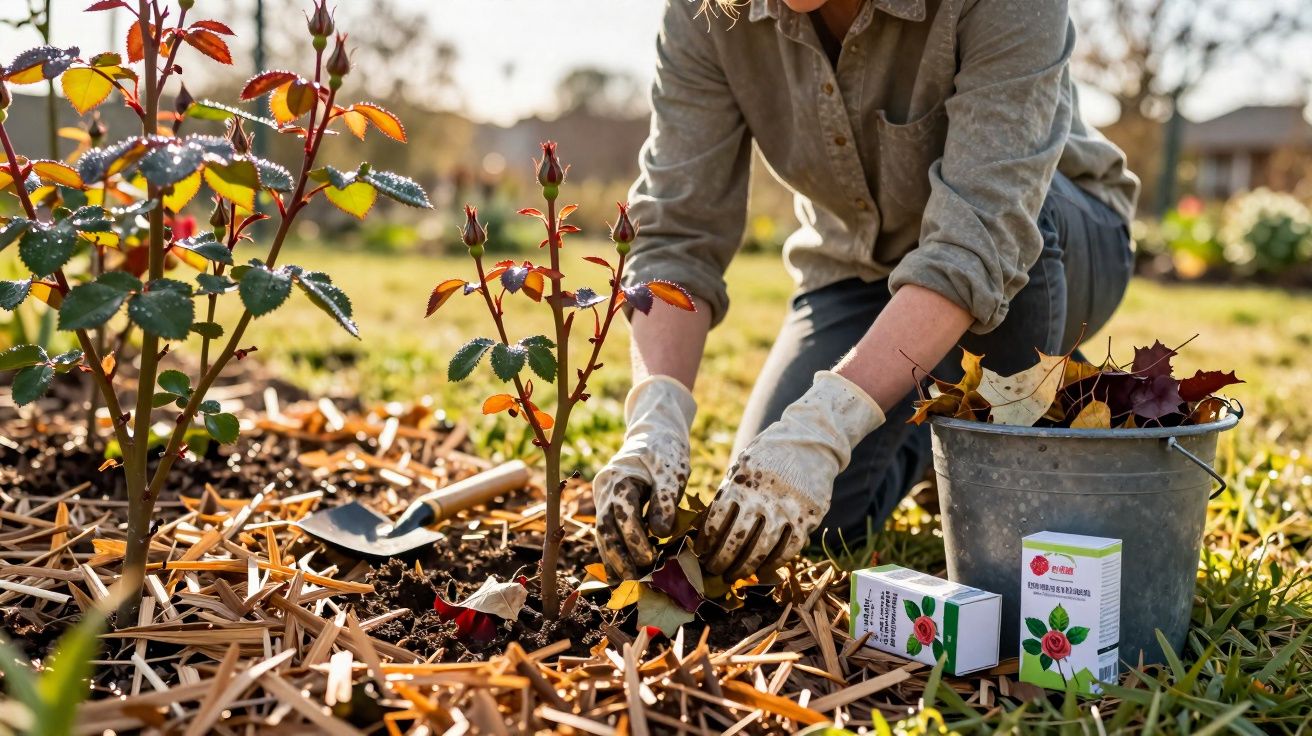
- cover bare beds with a thick layer of bark mulch or other organic material.
Half a wild square metre often helps young birds more than a perfectly maintained but bare lawn across the entire plot.
Secure nest boxes rather than cat buffets
Nest boxes are a blessing - as long as they are fitted correctly. Many well-meant installations inadvertently become easy self-service counters for the family cat.
The main rules for cat-safe nest boxes
- Height: about three metres above ground is a good guide.
- Distance from launch points: avoid any direct link to walls, horizontal branches or the edges of sheds.
- Orientation: face the entrance east or south-east so rain and harsh midday sun stay away.
- No perch stick: the decorative little perch by the hole gives cats a perfect place to attack from and should be left off.
- Hole gap: allow 15 to 20 centimetres between the entrance and the inner floor so cat paws cannot reach the chicks.
A common mistake remains fatal: placing nest boxes or feeding stations directly on hedges, walls or low trees, from which a cat is only one jump away. That setup draws birds straight to the place where danger is greatest.
How to make the cat part of the solution, not just the problem
Of course, hunting instinct cannot be switched off entirely. But owners can make sure their animals get fewer chances. The key is a combination of management, equipment and a little training.
Controlled times for outdoor access
The riskiest periods are the hours just after sunrise and just before dusk. During these windows many bird species are most active, and young birds leave the nest for the first time. Keeping the cat indoors at these times - or allowing access only to a secure area such as one fitted with CatNet or an escape-proof garden fence - greatly reduces the number of successful hunts.
A brightly coloured collar plus gentle deterrents in the beds
A vivid collar - for example one designed specifically to warn birds - makes a creeping velvet-pawed hunter visible sooner to many species. That gives the birds a small but valuable head start for escape.
In the garden itself, selected scents and plants can help keep cats away from especially sensitive areas:
- dried coffee grounds on the soil,
- citrus peel around vulnerable spots,
- strongly scented ornamental plants such as Coleus canina along the edges.
These measures are no replacement for a safe garden design; they are an addition to it. In the longer term, neutering is also worthwhile: it reduces roaming behaviour and fights with other cats, which often shortens the time spent in hunting territory.
A cat that is well fed, kept busy and given plenty of play is under less pressure to hunt everything that moves outside.
Start with one key tree - the trick works immediately
Many owners feel overwhelmed at the idea of redesigning the whole garden. A practical starting point is a single “key tree”. This is the tree birds visit most often or the one near which they are already nesting.
A small refuge can be created around that one tree in very little time:
- fit the trunk with a cat barrier made from a metal sleeve or special mesh rings,
- remove direct “cat ladders” such as boards or furniture leaning nearby,
- plant dense shrubs or thorny bushes within a radius of one to two metres,
- leave leaves in place instead of raking everything away.
The effect is often visible by the next breeding season: birds seem calmer, cats come close to nests less often, and if they do, the birds still have more cover for escape.
Extra ways to support birds and reduce cat pressure
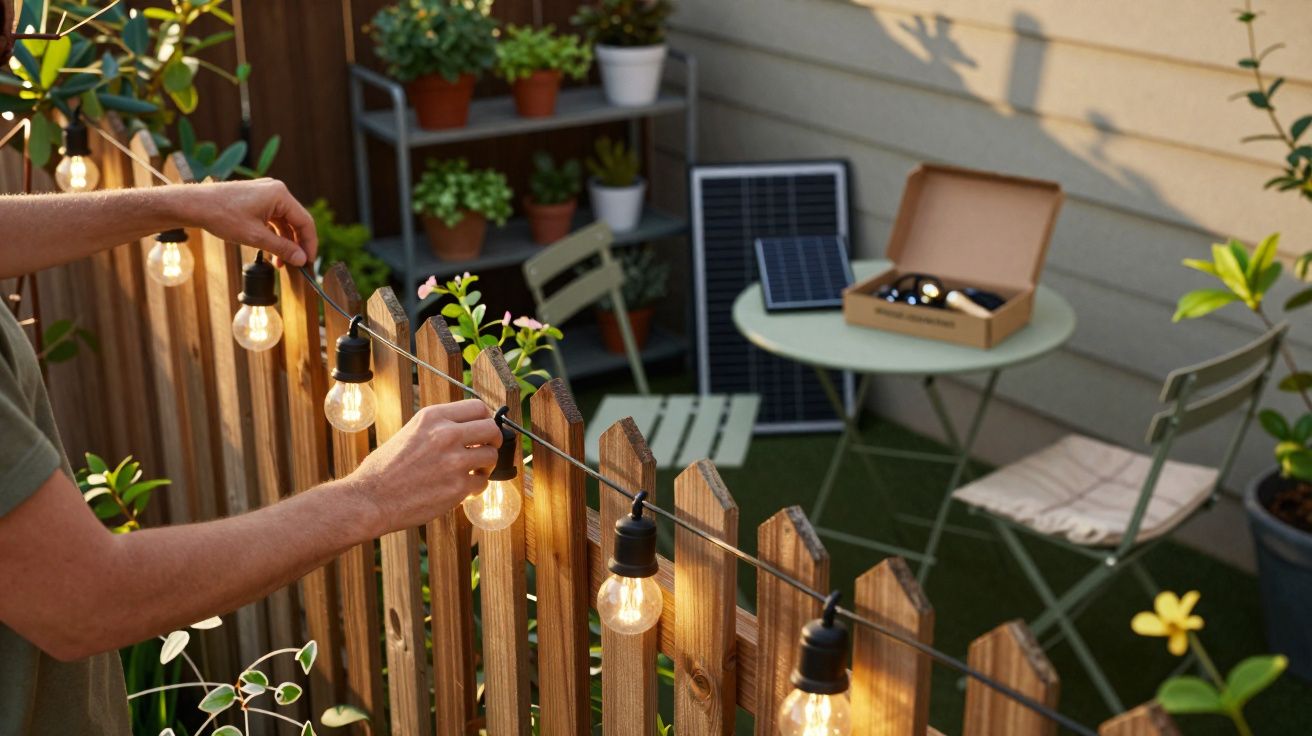
Garden lighting is worth a second look as well. Bright floodlights can unsettle nesting birds and make sheltered areas less attractive, so softer, targeted lighting is usually the better option. Likewise, trimming and tidying should be done with the breeding calendar in mind: the more disturbance can be postponed until after the nesting period, the safer the garden becomes for wildlife.
It also helps to think in layers rather than in a single gesture. A bird-friendly garden, a well-placed nest box and sensible cat management work best together. None of these measures has to be expensive or complicated; the real gain comes from combining several small improvements.
What owners should also know: risks, benefits and misunderstandings
A common misconception is: “My cat rarely brings home prey, so it probably does not hunt much.” Many cats eat their victims immediately or leave them hidden in the bushes. That means the true number of birds killed often goes unseen. For that very reason, a preventative approach is worthwhile even when one’s own animal seems harmless.
On the other hand, a bird-friendly garden creates several positive effects in a chain reaction: more insects, more pollination, fewer aphids thanks to tits, and greater natural diversity. Children can experience real wildlife observation right outside the front door - no zoo trip needed.
Anyone who already has a heavily “sterile” garden benefits twice over. Even small changes alter the microclimate: more humus in the soil, less need for watering, and more shade on hot days. The cat still has places to rest, but is less successful when hunting.
The combination of a structured refuge area, carefully fitted nest boxes and clearly managed outdoor times creates a new normal: the cat can still go outside, the birds get a fair chance, and the garden changes from battleground to living oasis.




Comments
No comments yet. Be the first to comment!
Leave a Comment