
Volvo Cars wants to lift both sales and overall profitability across its business - two goals that do not always move in tandem. Volkswagen and Toyota are proof of that: despite selling more vehicles, both have seen profitability fall.
That is why, this week, the Swedish brand set out a refreshed strategy with a clear message that will have pleased shareholders, including the Chinese giant Geely: “build a stronger and more profitable company”.
The manufacturer is aiming for an operating margin above 8%, positive cash flow and growth underpinned by electrification. “Electrification is an opportunity and the main driver of growth,” said Håkan Samuelsson, President and Chief Executive of Volvo Cars, in a statement.
It is effectively a renewed commitment to electrification - one that will not be abandoned, but will now be accompanied by combustion engines for longer than previously anticipated.
The new Volvo EX60 will be a turning point
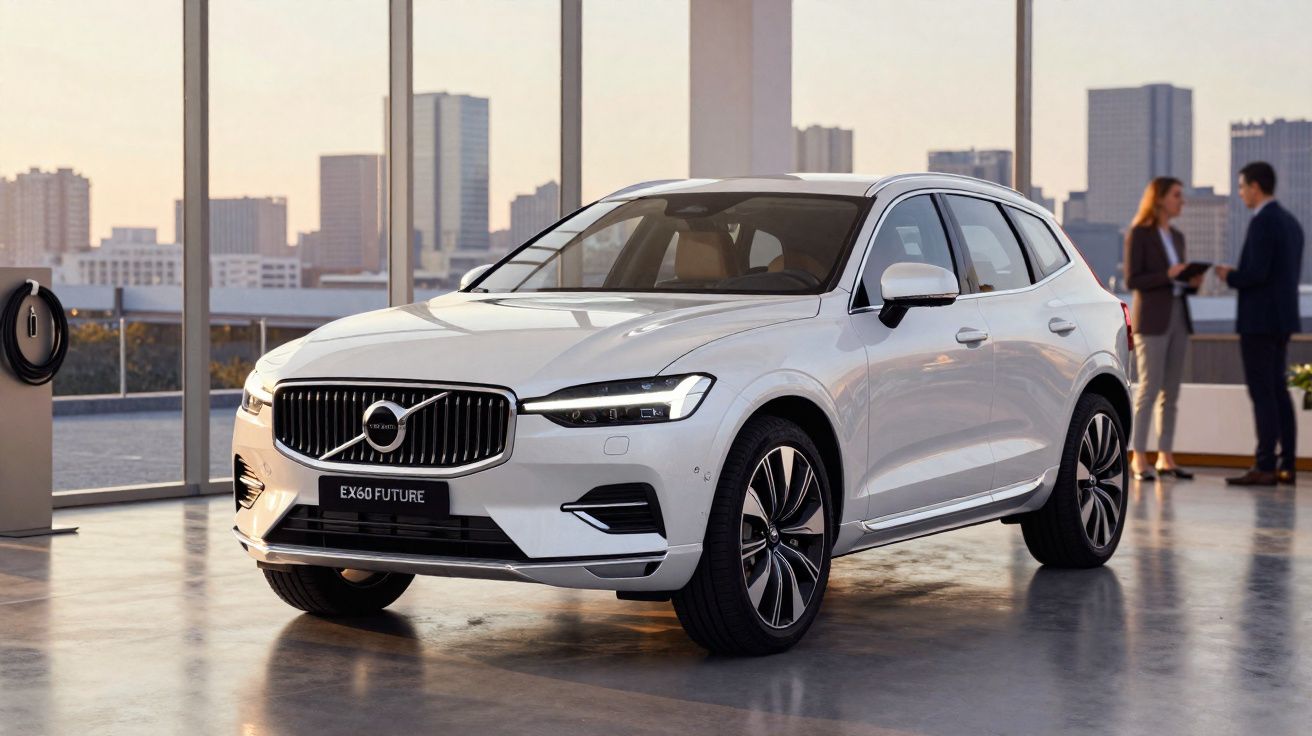
A key element of this next phase will be the Volvo EX60, an electric SUV due to be unveiled as early as January and which, according to the brand, could become the Swedish marque’s best-selling model of all time.
Built on the new SPA3 platform, the model is positioned as a pivotal step in Volvo’s electric push - both because of the segment it competes in and because of the company’s ambition to bring together price, performance and efficiency in a more competitive package.
Volvo is putting all the expertise it has behind this vehicle: the platform itself, production techniques using mega-casting, and new hardware and software. And, as will become clear later, it has been knocking on every door - including Chinese ones.
Lower costs, higher profits
According to Fredrik Hansson, Volvo Cars’ Chief Financial Officer, the company’s future profitability will depend mainly on reducing variable costs and sharing components with Geely - the Chinese group that is also the Swedish brand’s largest shareholder.
“In a highly competitive sector, our relationship with Geely is an important advantage for developing not only more competitive regional products, but also a better cost structure,” Håkan Samuelsson, President and Chief Executive of Volvo Cars, reiterated during a presentation to investors.
By sharing parts and technologies with Geely, Volvo expects to cut manufacturing costs while also speeding up the development of new electric models. The brand also plans to reduce spending in other areas by using the same software system across all of its cars.
In addition, a savings plan of around 18 billion Swedish kronor (about 1.6 billion euros at the current exchange rate) should help Volvo keep tighter control of its expenditure and maintain its finances in good order.
Regional strategy and customer focus
Another central strand of the new plan is regionalisation, particularly across Europe, the US and China. Sweden will remain Volvo’s operational hub, but the company wants to tailor its offering to each market, with products and pricing aligned to local realities, while making use of industrial synergies with Geely.
The Swedish brand will also move towards a more customer-centred approach, including new direct sales models and digital marketing, designed to reduce commercial costs and raise network efficiency.
This comes as Volvo’s sales have been declining over the course of the year. Between January and October, the manufacturer sold 547 749 cars, representing an 8% drop versus the same period last year. That total reflects a 10% fall in electric sales, a 19% decline in plug-in hybrid sales and a 5% drop in mild-hybrid/ICE sales.






Comments
No comments yet. Be the first to comment!
Leave a Comment